

Product Description
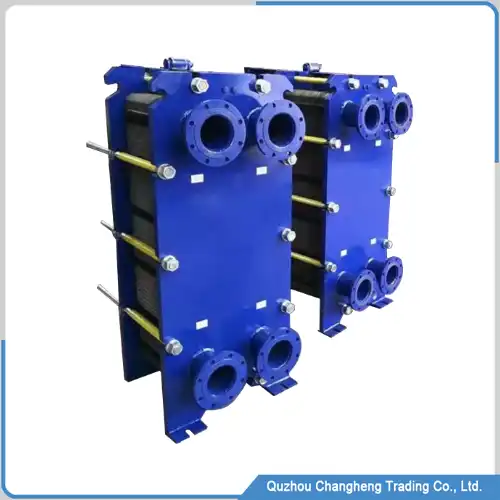
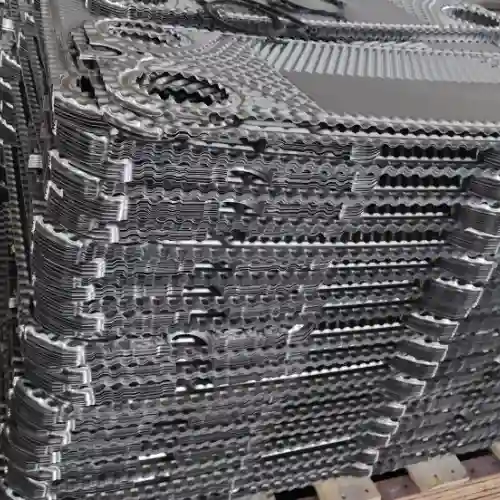
Flat plate heat exchanger is a modern industrial product, which is formed by pressing stainless steel plates through hydraulic machines to form corrugated plates. Multiple corrugated plates are stacked to form a heat exchanger, and there is a rubber sealing gasket in the middle of the plates to prevent medium leakage
Each layer of the corrugated plate stack is a completely independent channel, and the cold medium and hot medium intersect through their respective channels. This means that if the first layer is the hot medium, then the second layer is the cold medium, the third layer is the hot medium, and the fourth layer is the cold medium. This channel design can greatly increase heat transfer efficiency
The pattern of the corrugated plate is designed based on the characteristics of the fluid, with a depth of approximately 3-5mm. These intersecting patterns can increase the resistance of the fluid and generate vortices during its movement, resulting in efficient heat transfer
Flat plate heat exchanger Technical Parameter
| No. | ITEM | DATA |
| 1 | Model | CH-H001 |
| 2 | Active Area Per Plate | 0.1M2 |
| 3 | Plate thickness | 0.5mm |
| 4 | Max Work pressure | 1.6 mPa |
| 5 | Connection diameter | DN50 |
| 6 | Flow rate | 53M3/h |
| 7 | Nominal plate gap | 3.8mm |
| 8 | Port diameter | 50mm |
Advantages of Flat Plate Heat Exchanger
Efficient heat transfer capability
The scientific design of the stainless steel corrugated plate inside the rain allows the fluid to cross and move in their respective channels, resulting in a 300% increase in heat transfer efficiency compared to shell and tube type heat exchangers. It is currently one of the most efficient heat exchangers in industrial heat exchangers
Zero cost usage scenario
This flat plate heat exchanger has two independent channels built in, and when the cold and hot fluids undergo heat conversion in their respective channels, it does not consume any energy or electricity during this process, so it is zero cost to use
Simple cleaning and maintenance
Some industries use tap water as a refrigerant. It is well known that tap water contains a large amount of trace elements and impurities. Long term use of heat exchangers can accumulate a lot of impurities inside, and in severe cases, it may block the channels of corrugated plates. Users can directly use high-pressure water guns to clean the inside, or disassemble the heat exchanger and assemble it after cleaning, making it very easy to clean the dirt inside
Applications in the Medical and Food Industries
In the medical and food industries, the purity requirements for heat exchangers are higher, and the odor of sealing gaskets may affect the quality of medical products. Therefore, we have a flat plate heat exchanger that uses argon arc welding to connect two corrugated plates. The material of the corrugated plates is usually titanium alloy or Hastelloy metal. This type of metal heat exchanger has high purity and does not affect the product itself
Easy to control
Generally, our heat exchanger has about 30% margin. If the temperature of the fluid needs to be change in industrial production, engineers only need to control the valve on the tube to change the flow of the fluid, without requiring other complex control processes
Flat Plate Heat Exchanger Factory Video
List of Parts for Flat Plate Heat Exchanger
- Frame board
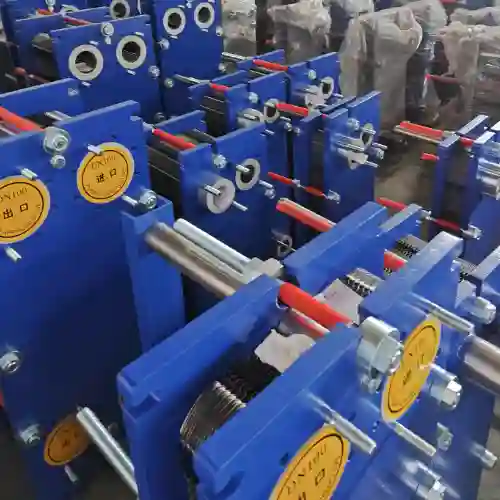
Each plate heat exchanger have two frame plates, which are usually make of ordinary carbon steel material and have a paint appearance. However, there are some expensive heat exchangers that use nickel plating on the frame plates. The main function of the frame plates is to fix the corrugated plates and lock them all with fastening screws
- wave plate
This is the most critical component of the flat plate heat exchanger. The ordinary wave plate material is stainless steel 304 material, but in industries with high strength and corrosiveness, materials such as Hastelloy metal or titanium alloy are useing, The thickness of the corrugated plate is usually 0.3-0.8mm, but the most commonly used thicknesses are 0.5mm and 0.6mm.
- Screws and nuts
This part is uses together with the frame plate to secure the flat plate heat exchanger. It is make of high-strength steel and has undergone high-temperature heat treatment. The surface of this part is nickel plate, and the size of each heat exchanger is different, usually requiring many screws and nuts for fixation
- Gasket
The material of the sealing gasket is EPDM, which is a material extract from petroleum. The shape and size of the sealing gasket should conform to the design of the wave plate, and a sealing gasket should be place on each corrugation to prevent fluid leakage outward If the wave plate is connected by argon arc welding, then this sealing gasket is not need
- Inlet and outlet
It is a key component for connecting the flat plate heat exchanger and factory water pipes, and its diameter size is design according to user requirements, otherwise the heat exchanger cannot be smoothly connect to the factory water pipes
Other types of flat plate heat exchangers
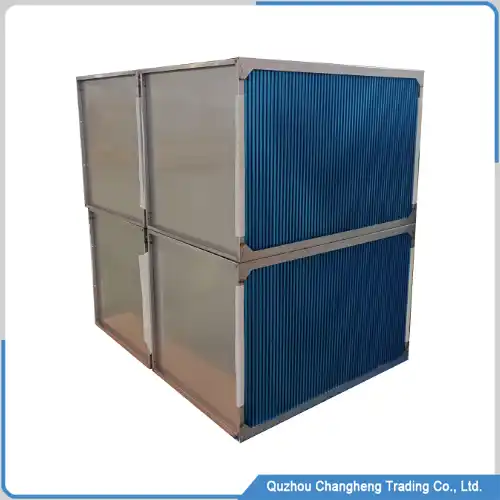
Cross flow heat exchanger Manufacturer from China
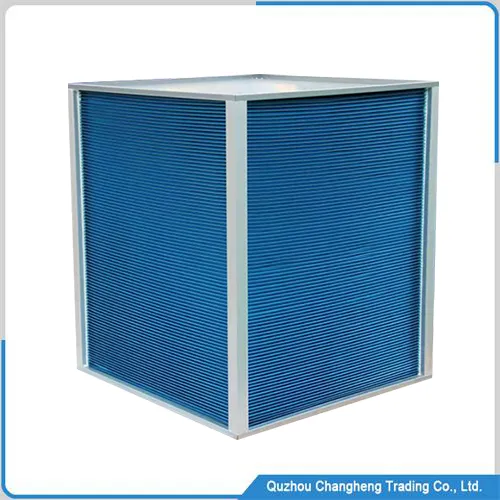
Product Introduction A cross flow heat exchanger is an air exchange device that is forming by pressing aluminum foil and then scientifically stacking it to form a cube. Cold air and heat control pass through…
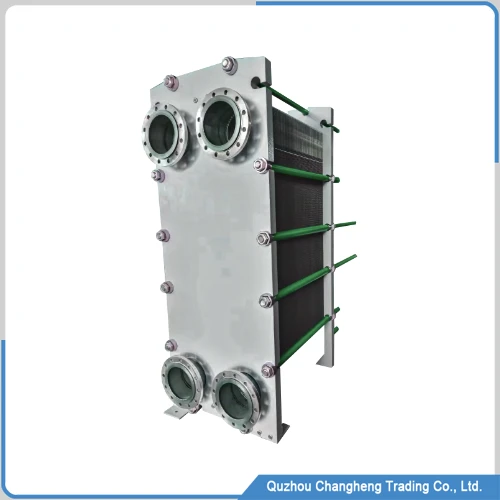
Plate to plate heat exchanger of Industrial
Product Introduction This plate to plate heat exchanger is a key product in the modern industrial field. It is assemble from parts such as a frame, fixed plates, screws, sealing gaskets, and plate sheets. Among…
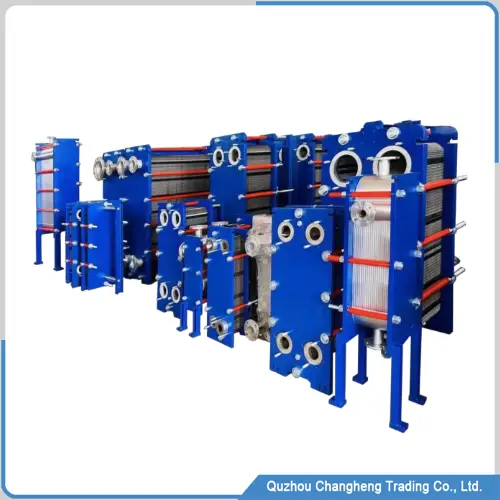
Plate type heat exchanger
Product Introduction The plate type heat exchanger features a modular design, where components such as corrugated plates, sealing gaskets, and frames are assembled together and secured with screws to ensure smooth and efficient heat exchange…
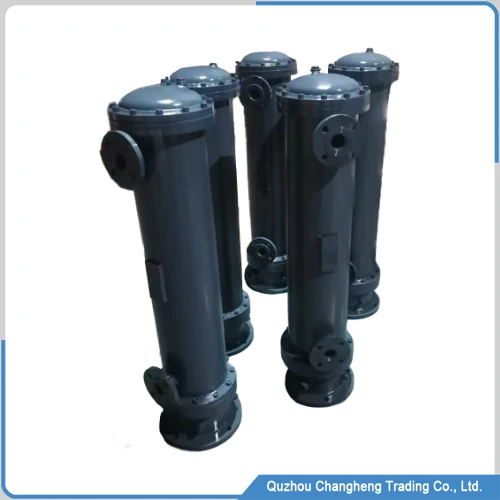
Shell tube heat exchanger
Product Introduction This shell tube heat exchanger is one of the most popular industrial products, widely used in modern industrial fields. Its main structure is a circular shell with many small bundle tubes installed inside,…
Installation precautions
- Before installation, it is necessary to check the appearance of the flat plate heat exchanger, check that the edges of the wave plate are not bump or deformtion, ensure that the heat exchanger is intact in appearance, indicating that it will not leak, and check that the dust cover is intact, indicating that no debris has entered its interior
- If it is a large-sized heat exchanger, there is a lifting ring at the top for installation, and users can use a crane to place the heat exchanger in the appropriate position
- It is better to install valves on each tube connecting the heat exchanger. These valves are must to clean the inside of the heat exchanger or control the flow of fluid in the future
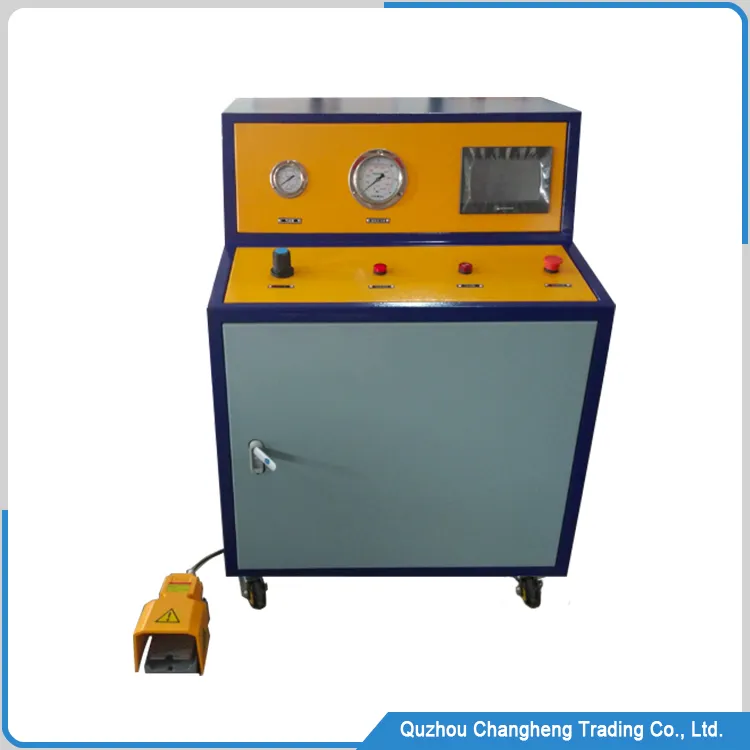
- After installation, a pressure test is must, and fluid inspection valves, joints, and flat plate heat exchangers need to be connect to check for leaks
- It is best to reserve sufficient space for daily inspection and valve control when installing the heat exchanger.
Why choose our flat plate heat exchanger
Due to the scientific pattern design of our flat plate heat exchanger wave plate and the Chinese patent obtained, the heat exchanger efficiency is higher.
We have 18 years of work experience in this industry, with research in industries such as chemistry, petroleum, brewing, pharmaceuticals, and shipbuilding. We also have long-term partnerships with clients worldwide.
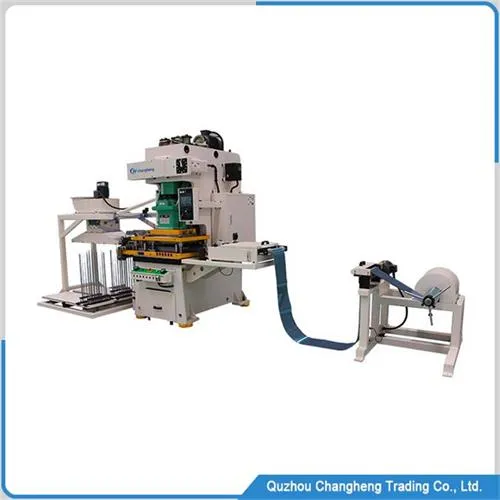
Whether you plan to buy a complete flat plate heat exchanger or just need to buy wave plates and gaskets, we can provide good service. In our factory warehouse, there are more than 100 stamping mold for producing stainless steel corrugated plates.
We seek cooperation with customers from every industry to achieve good profits for both parties. If you are looking for a heat exchanger factory, you can contact us to start a new business journey.



 WECHAT


